


Hidden Health Benefits of a Home Spa
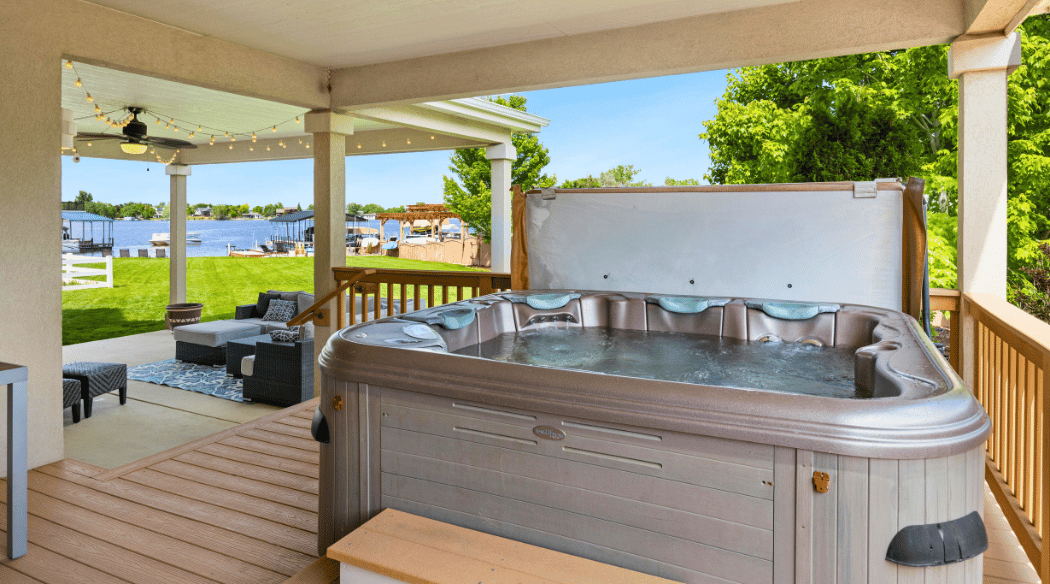
Sinking into warm water after a long day feels amazing, but what if it was doing more than just helping you relax? What if every soak was quietly improving your circulation, easing joint pain, and setting you up for the best sleep of your life?
Home spas are often seen as a little extra, but the reality behind them tells a different story.
Hydrotherapy has been used for centuries to relieve stress, speed up muscle recovery, and support overall well-being. With today’s options — hot tubs, steam showers, swim spas — these benefits are more accessible than ever. You can have a spa day in your own home!
In this guide, we will explore the hidden health perks of a home spa and help you find the right setup for your space, lifestyle, and wellness goals.
The Hidden Health Benefits of a Home Spa
A home spa is more than just a place to unwind. It’s a multi-functional wellness tool that supports your physical and mental health in ways that go far beyond relaxation. Here’s what you can expect from an at-home spa day:
Benefit #1: Stress & Anxiety Reduction
Life is full of stress, but your home spa can be an instant reset button. Warm water and hydrotherapy jets help relax the nervous system, lowering cortisol levels — the hormone responsible for stress. As your muscles loosen and tension melts away, your mind follows suit.
Aromatherapy can enhance this effect. Adding essential oils like lavender or eucalyptus to your soak stimulates the senses and promotes relaxation. Some spas also feature chromotherapy, where colored LED lights create a calming atmosphere, helping to balance mood and energy levels.
The combination of heat, water movement, and sensory enhancements provides a full-body approach to stress relief, helping you feel more centered and relaxed.
Benefit #2: Muscle Recovery & Pain Relief
Whether you’re an athlete pushing your limits or just feeling the strain of daily life, a home spa can be a game-changer for muscle recovery. Hydrotherapy jets mimic the effects of a deep tissue massage, improving blood flow and helping to flush out lactic acid buildup after workouts. The perfect spa night.
For those dealing with chronic pain conditions like arthritis or fibromyalgia, warm water immersion has been shown to reduce stiffness and inflammation. By combining heat, water pressure, and buoyancy, a home spa provides natural pain relief without the need for medication, making it a long-term wellness investment.
Benefit #3: Improved Sleep Quality
Struggling to fall asleep? A soak in a home spa before bed can set you up for a restful night. The warm water raises your body temperature, and as you cool down afterward, your body naturally prepares for sleep. This process helps regulate melatonin production, the hormone that signals your body that it’s time to rest.
A study from the University of Texas suggests that a warm bath or spa soak 90 minutes before bed can improve sleep onset and quality. The relaxation from hydrotherapy also reduces stress-related insomnia, helping you drift off faster and sleep more deeply. Incorporating a nighttime spa session into your routine can be a simple yet effective way to wake up feeling refreshed.
Benefit #4: Cardiovascular & Circulatory Benefits
A home spa relaxes your mind and is good for your heart, too. Passive heat therapy, like soaking in warm water, has been shown to lower blood pressure by promoting vasodilation, which helps blood flow more easily.
A study published in The Journal of Applied Physiology found that regular heat therapy can improve vascular function and may even offer cardiovascular benefits similar to exercise. Increased circulation delivers oxygen and nutrients to tissues more efficiently, helping muscles recover faster and reducing strain on the heart.
For those who want a heart-healthy way to relax, a home spa can be a proactive addition to their wellness routine.
Benefit #5: Detoxification & Skin Health
Steam and warm water open pores, allowing toxins to escape while promoting better circulation. This process helps cleanse the skin, removing dead skin cells and improving overall complexion.
Beyond detoxification, regular spa use can enhance skin hydration. The moisture-rich environment helps prevent dryness, while improved blood flow delivers essential nutrients to the skin. In other words, your home spa can be a powerful beauty tool — no expensive facials required.
How to Choose the Right Home Spa for Your Needs
Creating your home spa is more than just picking a hot tub and calling it a day. The right choice depends on your space, lifestyle, and wellness goals. Whether you’re looking for deep relaxation, muscle recovery, or an at-home spa day for entertaining, here’s what to consider.
Size & Space Considerations
Before diving into spa options, think about where it will go. Indoor spas provide privacy and year-round use, but they require proper ventilation to prevent moisture buildup. Outdoor spas offer fresh air and scenic views, but they need to be weatherproofed and maintained to handle the elements.
Size also matters. If your spa is just for you, a two-person model might be the perfect fit. But if you plan to entertain, a larger option with seating for six or more might be worth considering. Also, measure your space carefully, leaving enough room for steps, covers, and maintenance access. A spa that fits snugly into a designated area will enhance your space rather than overwhelm it.
Types of Home Spas
Not all home spas serve the same purpose. The most common choice is a hot tub, designed for relaxation with adjustable jets and temperature settings. If deep heat therapy is more your style, a sauna may be the better option, promoting circulation and detoxification through dry heat.
For those who love steam therapy but don’t want a full sauna, steam showers offer a more compact alternative, providing skin and respiratory benefits. And if you’re looking for a spa that doubles as a workout space, swim spas offer the best of both worlds, combining the relaxation of a hot tub with the exercise capabilities of a small pool.
The right type of spa depends on your wellness goals. If pain relief and relaxation are top priorities, a hydrotherapy-focused hot tub is a great choice. If you want to integrate spa sessions into a fitness routine, a swim spa might be the perfect fit.
Features to Look For
Once you’ve decided on size and type, focus on the details that make a home spa truly enjoyable. Some key features to consider include:
- Hydrotherapy Jets: If muscle relief is prioritized, look for models with adjustable pressure and targeted jet placement to maximize relaxation.
- Temperature Control: A high-quality spa should allow for precise adjustments to ensure the perfect soak, whether you prefer extra-hot water or a cooler, refreshing dip.
- Filtration System: Water cleanliness is key. A strong filtration setup reduces maintenance time and ensures a hygienic, enjoyable experience.
- Lighting & Sound Options: Many spas now offer LED lighting, Bluetooth speakers, and even waterfall features to create a full sensory experience.
The perfect home spa depends on your needs. Whether it’s a quiet escape after a long day, a space for post-workout recovery, or a backyard centerpiece for entertaining, choosing the right size, type, and features will help you create a spa experience that fits your life.
.png?1744630787802)
Setting Up Your Home Spa for Maximum Wellness
Create a space that makes relaxation easy and maintenance stress-free. A little planning goes a long way in making sure your spa stays a go-to spot for unwinding, year-round.
Ideal Placement & Installation Tips
Where you put your spa matters more than you think. You might skip it on chilly nights if it’s too far from the house. For outdoor setups, placing it near an entrance keeps it convenient while also offering privacy. A windbreak — like a pergola, fence, or some well-placed greenery — can make a huge difference in comfort.
A sturdy foundation is important. Hot tubs and swim spas are heavy, requiring a solid base like concrete, reinforced decking, or pavers. Soft ground won’t cut it. If you’re installing indoors, ventilation is a must. Without it, excess moisture can lead to mold and mildew, which is the last thing you want in a spa space.
Creating a Spa-Like Atmosphere
A proper setup turns a home spa from a big bathtub into a full-on retreat. Lighting makes a huge impact — soft, dimmable lights or color-changing LEDs help set the mood. Aromatherapy can level up your experience too. Scents like lavender, eucalyptus, and chamomile help melt away stress, and many spas have built-in diffusers to make it easy. Or, in certain cases, bath bombs, bath salts, or a body scrub could be helpful.
And when it comes to self-care, don’t forget sound. Whether it’s relaxing instrumental music, nature sounds, or your favorite playlist, a built-in speaker system or waterproof Bluetooth setup adds another layer of relaxation.
Maintaining Your Home Spa for Long-Term Benefits
The key to a great spa experience? Keeping the water clean and the system running smoothly. Check the pH and sanitizer levels regularly to prevent bacteria buildup, and invest in a good filtration system to cut down on maintenance time.
Every few months, drain and clean the spa to prevent grime from building up. Wiping down the shell and cover helps keep everything looking fresh. If your spa is outdoors, a well-fitted cover protects against debris, heat loss, and unnecessary wear.
For colder climates, winter maintenance is a must. Freeze protection settings help prevent damage, and a solid insulated cover keeps the heat in so you can soak all season long.
Setting up your home spa the right way means you’ll actually use it — and enjoy it — for years to come. A little thought on placement, ambiance, and upkeep makes all the difference in turning your spa into a stress-free, everyday retreat.
More Than Just a Soak
A home spa is more than a place to unwind. It is a way to invest in your health, ease tension, and create moments of calm in a busy world. Warm water soothes tired muscles, hydrotherapy boosts circulation, and a quiet soak before bed can lead to deeper, more restful sleep. It is stress relief without the meditation app and muscle recovery without the pricey massage.
Owning a spa means relaxation is always within reach. No appointments, no crowded facilities, just a private retreat whenever you need it.
Bring the Benefits of a Home Spa Into Your Life!
Family Leisure has options to fit your space and wellness goals. Browse our collection and find the perfect spa to turn your home into a retreat.
